

1975
The farm began with warm water
Naturally warm water made year-round tropical fish production possible in a Utah valley better known for winter.
Snow and rain begin the journey high in the nearby Wasatch Range. Far below the valley, that water moves through aquifers, faults, and fractures, warms against the earth, and returns to daylight through an extraordinary spring system at Point of the Mountain.
Steve Davis leased the property in 1975 and began building a tropical-fish hatchery around the spring. The farm expanded as he learned how to use the water through Utah summers and winters.
Hydrogeology
From mountain snow to a warm spring
A 1979 investigation by the Utah Geological and Mineral Survey described a fault-controlled geothermal system with a remarkable route from mountain weather to deep rock and back again.
-
01
Mountain recharge
Snowmelt and rainfall in the Wasatch Range replenish the deep system.
-
02
Faults and aquifers
Water descends through a complex path of steep aquifers, faults, and fractures.
-
03
Deep natural heat
The earth's normal heat flow warms the water at depth, without a volcanic heat source.
-
04
A quartzite reservoir
Near the surface, fractured Paleozoic quartzite and quartzite gravels hold the returning warm water before it rises through spring openings.
Mineral profile
What the water carries
A 1978 spring sample recorded chloride and sodium as the largest measured ions, with calcium, magnesium, bicarbonate, sulfate, potassium, and silica also present. The water arrives naturally mineralized, carrying the record of a long journey through rock.
The western lake
The spring-fed lake beside the farm
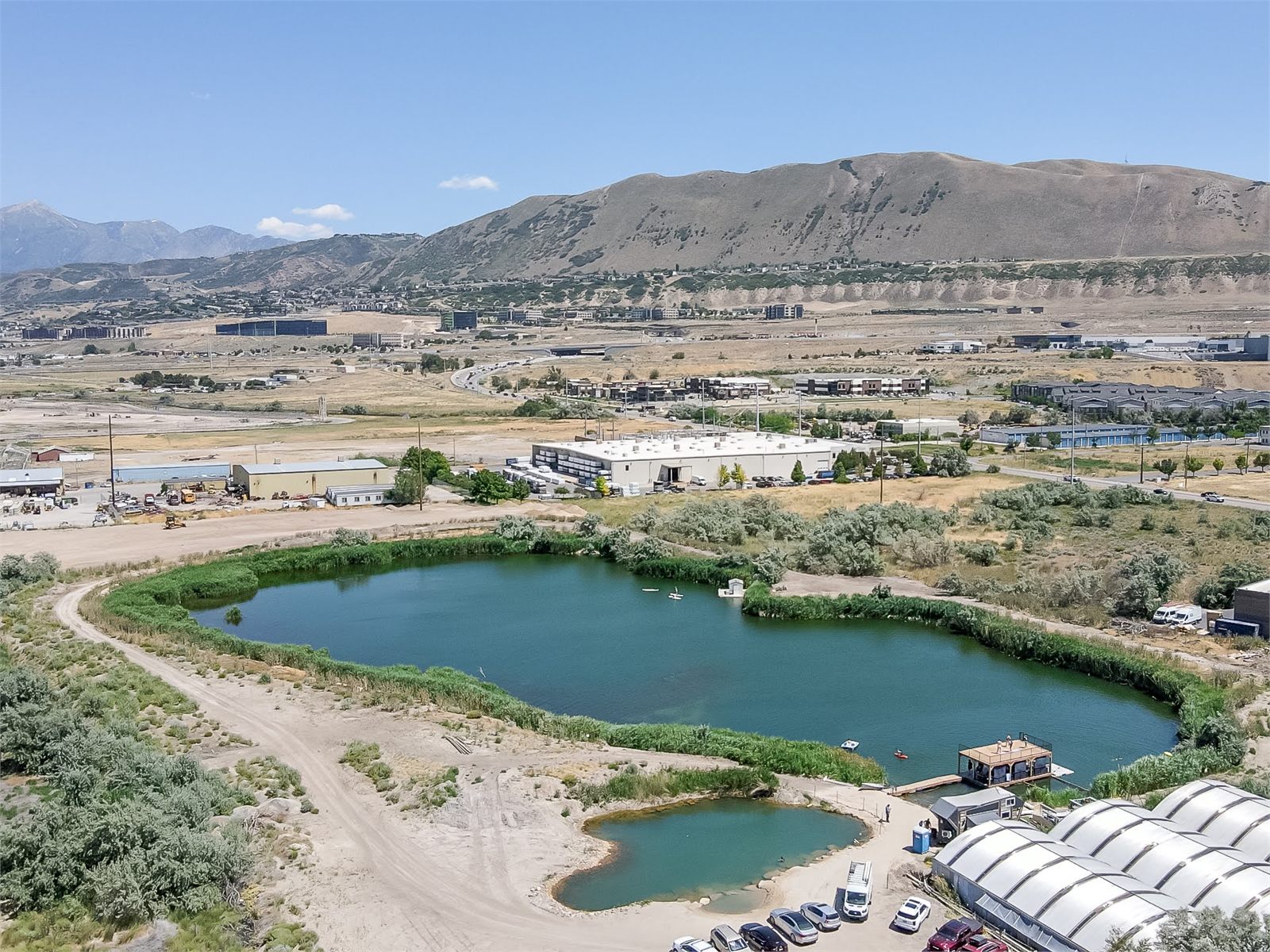
The state report calls it the large western lake. Investigators documented spring openings in its bottom, depths greater than 49 feet in some areas, and lake-bed mud temperatures as high as 180°F.
This is the water body at the heart of our farm's story. Its spring network made the hatchery possible, and the lake became part of the working system Steve learned to manage through Utah summers and winters.
- 49+ ft
- Documented depth in portions of the lake
- 180°F
- Highest lake-bed mud temperature in the study
- 1979
- Utah state geothermal report
Flow-through system
A complete water exchange every few hours
Most aquariums recirculate the same water through filters. Here, naturally warm, mineral-rich spring water moves continuously through the farm. Each tank receives a complete exchange every few hours.
Fresh water enters as used water moves onward. The flow carries away waste and keeps conditions steady without recirculating the same tank water.
Natural food enters with the flow
Daphnia make their way into the tanks. Tiny freshwater shrimp also breed throughout the facility, adding seasonal food between regular feedings.
Room to forage
Fish hunt, graze, and pick through the tank. Those ordinary behaviors are part of the environment the farm works to preserve.
What we see in the fish
In our experience, fish raised in this system show strong appetites, active behavior, saturated color, and the resilience needed for the trip to a customer's aquarium.
The facility does not consume the water. After moving through the tanks, it continues into the valley's water system within the Great Salt Lake watershed.
An obsessed founder
It began with a six-year-old and a very good trade.
On Christmas Day in 1954, Steve Davis traded his new Lionel train set for his older brother's aquarium. The aquarium won. By his late teens, Steve was running the tropical-fish department in a local pet store. He later spent six months inside a commercial Florida hatchery, learning fish production at working scale.
Back in Salt Lake City, he ran a pet store and then worked as a fish wholesaler. What he wanted was a water source of his own. In 1975, he leased the spring-fed property at Point of the Mountain and began building a hatchery around its naturally warm water.
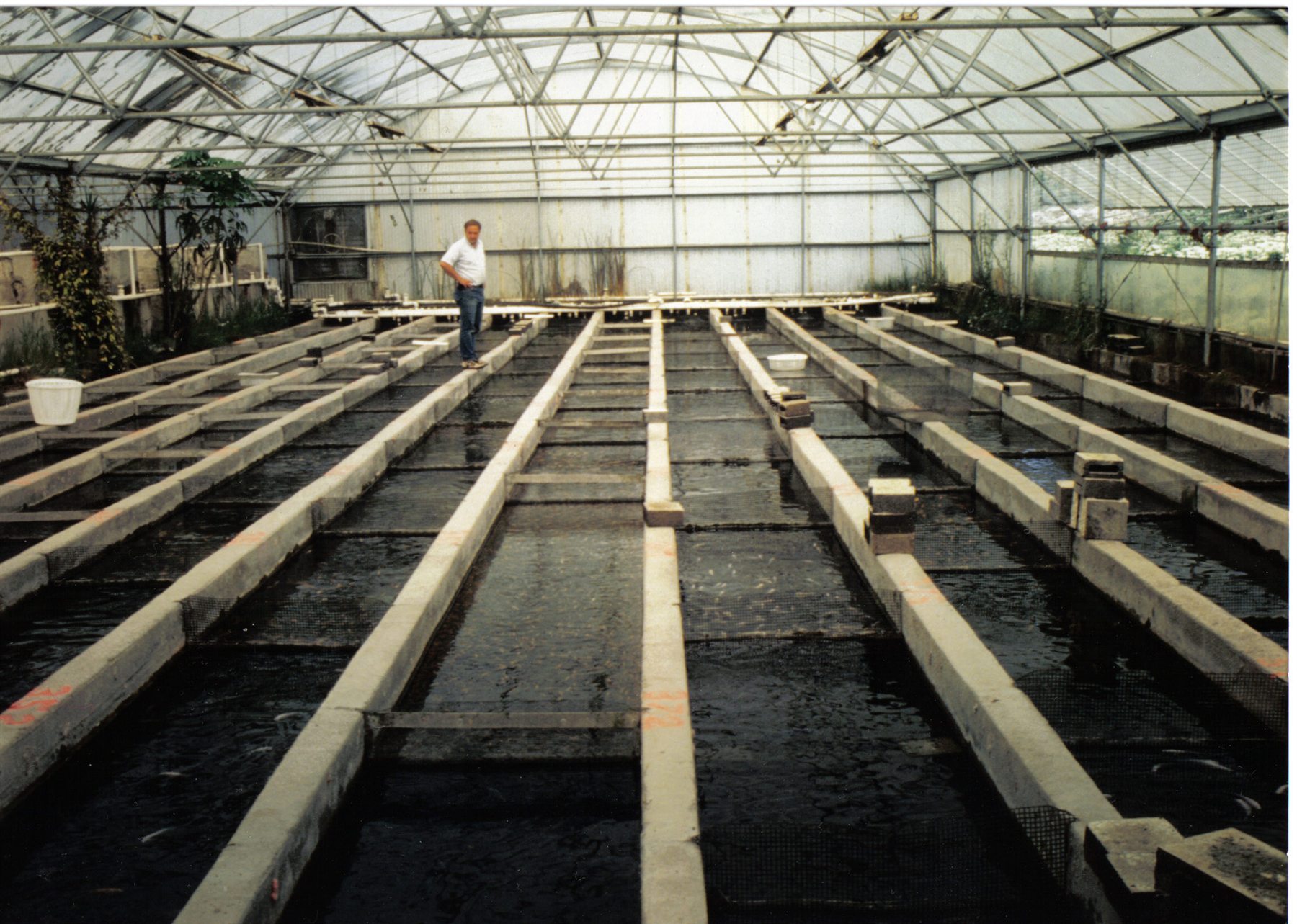
The first system was as inventive as it was practical: 90 concrete burial vaults modified into fish vats, each supplied individually with spring water. Long raceways and rows of round growout vats followed as Steve learned how well African cichlids fit the farm.
When an albino appeared among a group of Pseudotropheus socolofi, he established the strain and named it Snow White socolofi. It was one of many moments when close observation became part of the farm's identity.
Live Fish Direct today
Meet the family running the farm today
Josh and Lora Davis now own and operate the farm with help from their four children. The About Us page introduces the family and the work they manage today.
Meet the family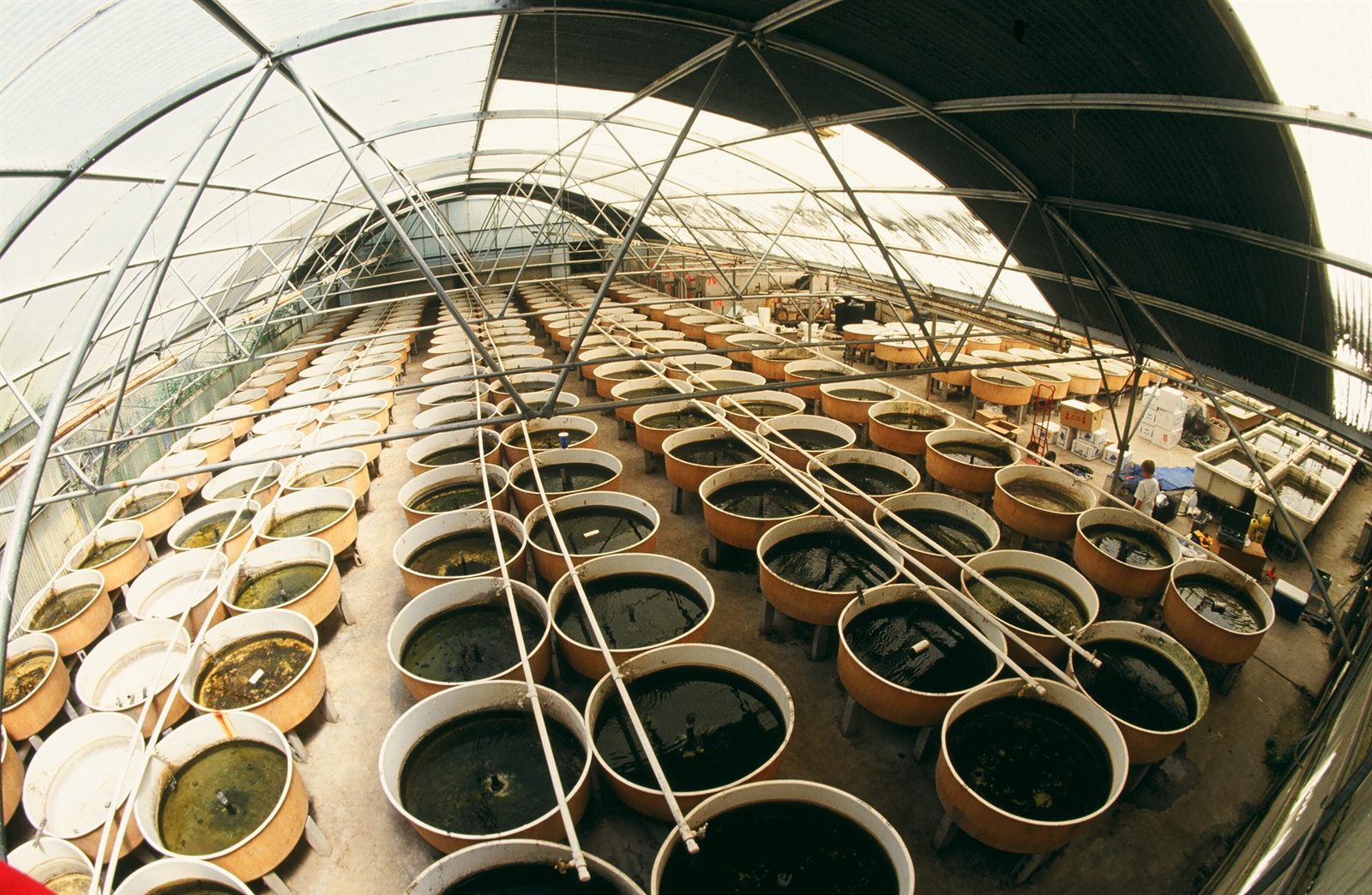
From the farm to your doorstep
Raised here and shipped from here
The spring water remains in the Great Salt Lake basin. Fish leave the farm after being selected, packed, and prepared here for overnight delivery.
Sources
Research and reporting
Geology and historical spring measurements: Peter J. Murphy and J. Wallace Gwynn, Geothermal Investigations at Crystal Hot Springs, Salt Lake County, Utah, Utah Geological and Mineral Survey Report of Investigation No. 139, 1979.
Founder and hatchery history: Bob Allen, "Crystal Springs," Tropical Fish Hobbyist, February 2004.
Family history and current operating details supplied by Josh Davis.